My mother sent the watercolor pencils first through Luke, then in person.
The day she came over, she stood in my doorway holding a small craft-store bag and looking unlike herself. Less arranged. Less certain. She wore jeans instead of one of her church dresses. There was no armor of lipstick or pearls or rehearsed dignity.
Just a woman in her sixties who had done damage and finally run out of places to hide from it.
Ellie answered the door before I could.
“Grandma!” she said, delighted by the unexpected visitor. “Come see my bean plant.”
Children are astonishingly willing to lead adults back into grace if the adults show up humbly enough.
My mother spent ten minutes admiring a paper cup full of dirt and one brave green shoot on the windowsill. Then she sat on the floor with Ellie and helped her test every watercolor pencil on scrap paper while I made coffee with hands that would not quite steady.
When Ellie went to the bathroom, my mother and I found ourselves alone at the table.
She stared at the mug I set in front of her. “You still take yours with too much cream.”
It was such a small memory to hear from her mouth that I almost cried on the spot.
“You remembered.”
“I remembered everything,” she said. “That was never the problem.”
I sat down slowly.
She looked around my apartment the way people do when they’re trying to make sense of a life they once dismissed too easily. The school calendar on the fridge. Ellie’s backpack by the door. A stack of library books on the armchair. A pile of clean towels waiting to be folded.
“You built a good home,” she said.
I let that sit between us.
Then, because I had promised myself I would no longer protect others from the cost of their own choices, I said, “You made me think tenderness had to be earned.”
She flinched.
Good.
“I know,” she said.
“And when I got hurt, you always stood farther back. Like pain proved something about me instead of requiring something from you.”
Tears filled her eyes again, but she didn’t reach for excuses.
“I was afraid of your sadness,” she said. “Because it made me feel my own. And I had spent so long surviving by shutting doors inside myself that I started shutting them on you too.”
I nodded once.
That answer did not erase anything. But it was real. Real answers are not clean. They do not fix. They simply stop lying.
Ellie bounded back in then, and the conversation shifted into lighter things—art supplies, bean plants, whether rabbits can be taught to use pencils, whether Grandma remembered the cookie recipe from Christmas when Mom was little. For an hour, we were almost ordinary.
When my mother left, she paused at the door.
“I don’t expect you to forgive me on a schedule,” she said.
“Good,” I answered.
A tiny smile touched her mouth. “Your father always said you were the one least likely to accept a fake peace offering.”
That did something strange to my chest. It widened it. Hurt it. Healed a corner of it all at once.
After she left, Ellie looked up at me and said, “Grandma seemed softer.”
I thought about that.
“Maybe she’s trying.”
Ellie nodded as if effort itself were holy. Then she went to water the bean plant and hummed under her breath.
Weeks passed.
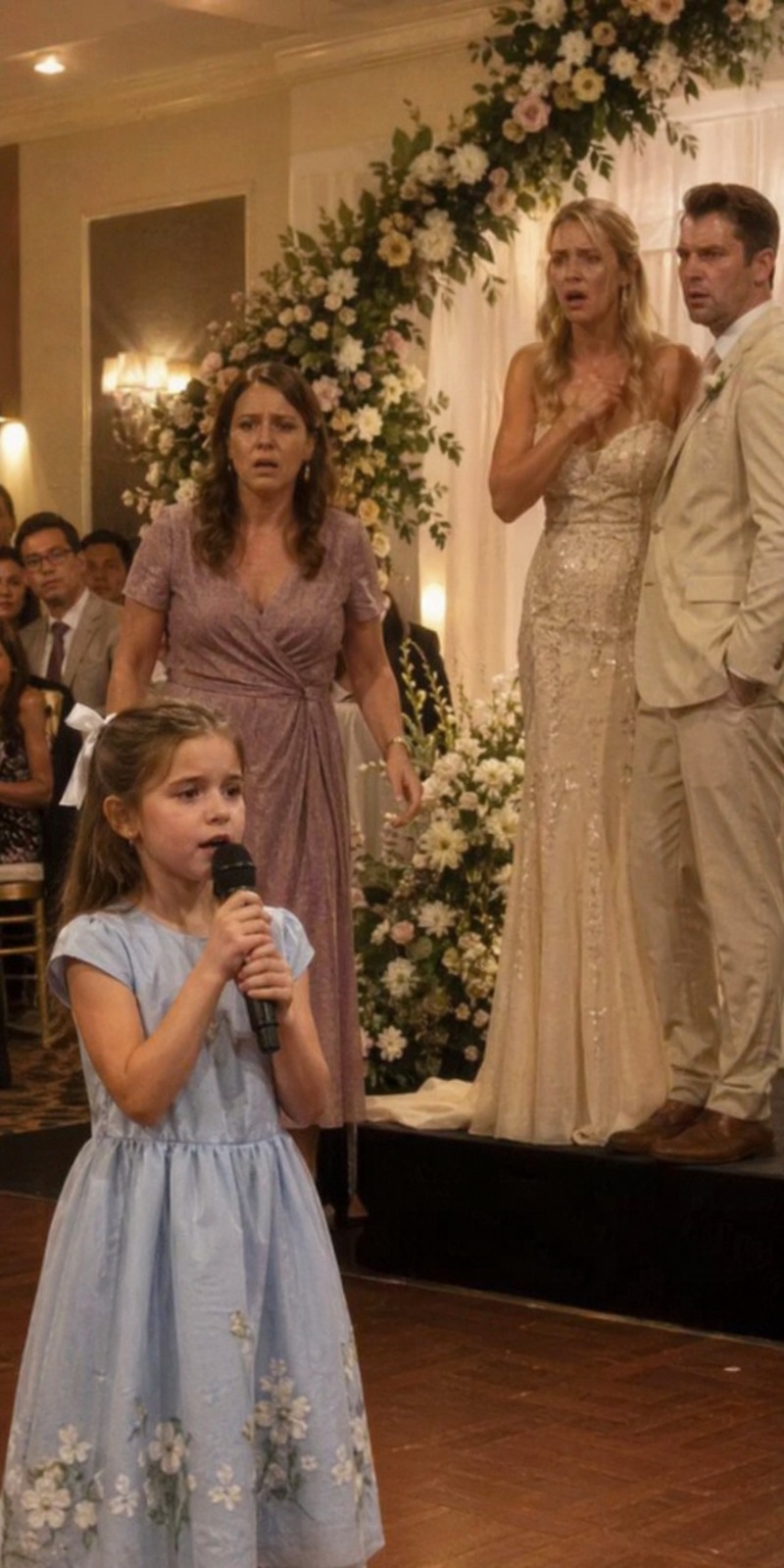
The world did not become perfect because one truth blew open a ballroom. Healing turned out to be less like a movie ending and more like slowly relearning where to place your weight after a broken bone. Some days I felt strong and bright and almost new. Other days a careless comment from an aunt or a memory from nowhere could still hollow me out for an hour.
But the difference was this:
I no longer agreed with the wound.
That changed everything.
I stopped apologizing for entering rooms. Stopped laughing off sharp remarks to keep everyone comfortable. Stopped interpreting inconvenience as evidence of my burden. When people asked direct questions, I gave direct answers.
How are things with the family?
Complicated, but more honest.
Are you okay after what happened?
Not always. But I’m done pretending I’m something shameful.
Even my body changed.
I stood taller without deciding to. My voice stopped curling inward at the ends of sentences. I bought a red sweater because I liked it, not because it was safe. At Ellie’s spring recital, I sat in the second row instead of hiding in the back. When I laughed, it came out louder.
Luke noticed first.
At Sunday dinner one evening—yes, actual Sunday dinner, at my place, with spaghetti and garlic bread and Ellie assigning everyone paper napkins by “vibe”—he leaned over while my mother helped Ellie grate cheese and Uncle Ray argued with the weather report on television.