“Bad luck?” I said.
My voice came out thin. Not angry. Not even shocked. Just small, which I hated more than anything.
My mother didn’t flinch.
“She’s nervous,” she said. “It’s her night. Let’s not make this harder than it needs to be.”
Harder.
I remember staring at her mouth while she spoke, because if I looked into her eyes I thought I might break right there in front of everybody. Around us, laughter kept rolling from table to table. Someone near the cake let out a loud burst of applause. Silverware clinked. A phone camera flashed.
The party kept moving.
The world did not stop when my mother told me I was something unlucky that needed to be managed. That was the worst part. Pain feels louder when nobody else seems to hear it.
“I’m his sister,” I said finally.
I don’t know why I said it like a question.
Maybe because the truth had started to feel flimsy in that family. Maybe because I had spent so many years being treated like an unfortunate footnote that even I had begun to wonder whether I still counted as something central.
My mother gave me a look that belonged on a receptionist, not a parent.
“Tonight is not about you.”
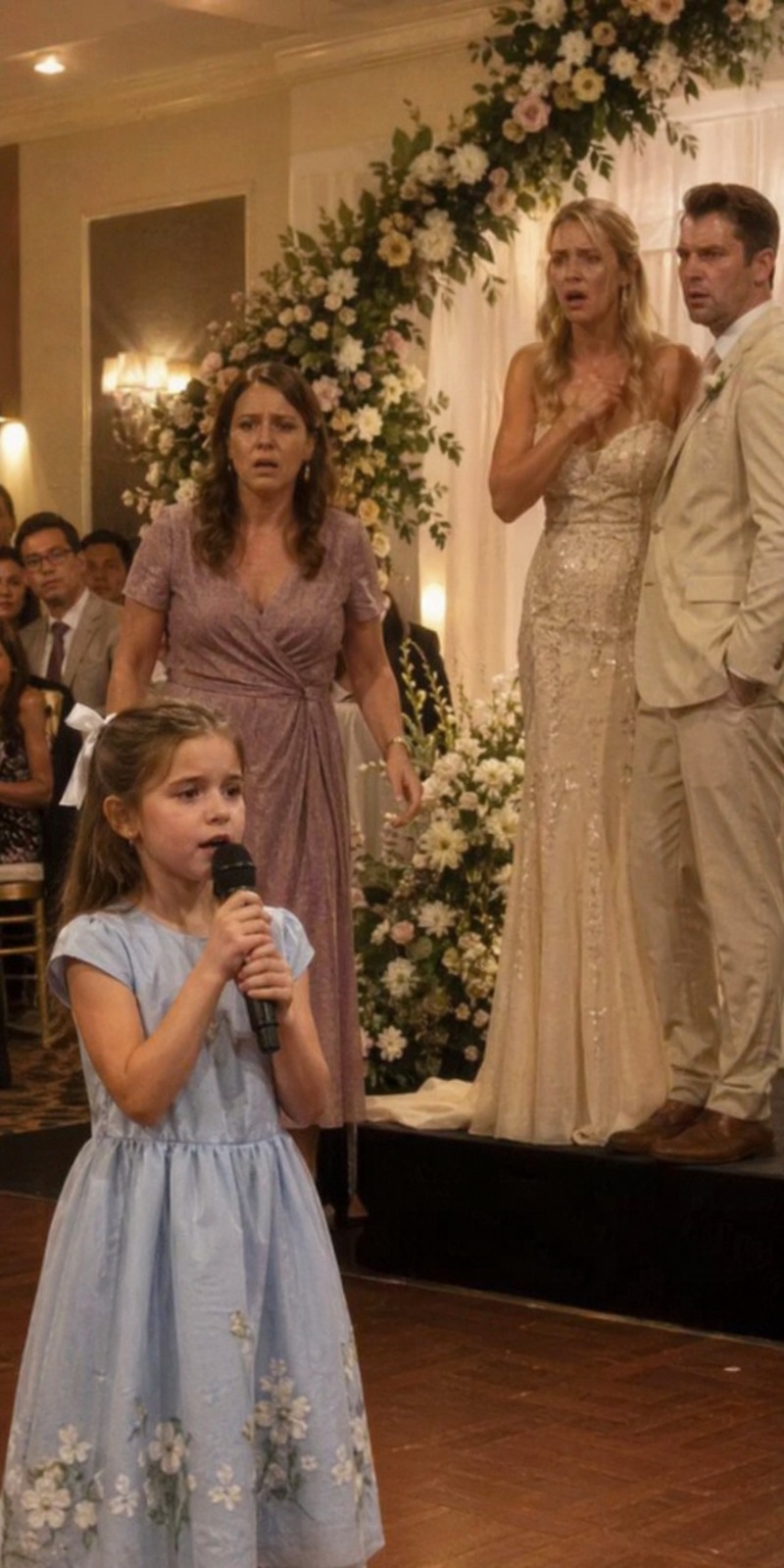
Then she glanced down at Ellie.
“Keep her with you, please. We don’t need any surprises.”
She turned and walked away before I could answer.
Ellie tilted her head up at me. “Mama?”
I hadn’t realized I was holding my breath until that moment. I let it out too fast and crouched so I was eye level with her. My knees felt weak. My hands felt cold.
“What is it, baby?” I asked.
“Why did Grandma talk like that?”
Children hear tone before they understand content. They can smell meanness even when adults wrap it in polite words. Ellie’s face was pinched with confusion, and I tried to smooth it with a smile I did not feel.
“She’s stressed,” I said.
That was the lie I chose because it was easier than telling a seven-year-old the truth. Easier than saying, Sometimes the people who should protect you decide you are easier to blame than life itself.
Ellie kept looking at me.