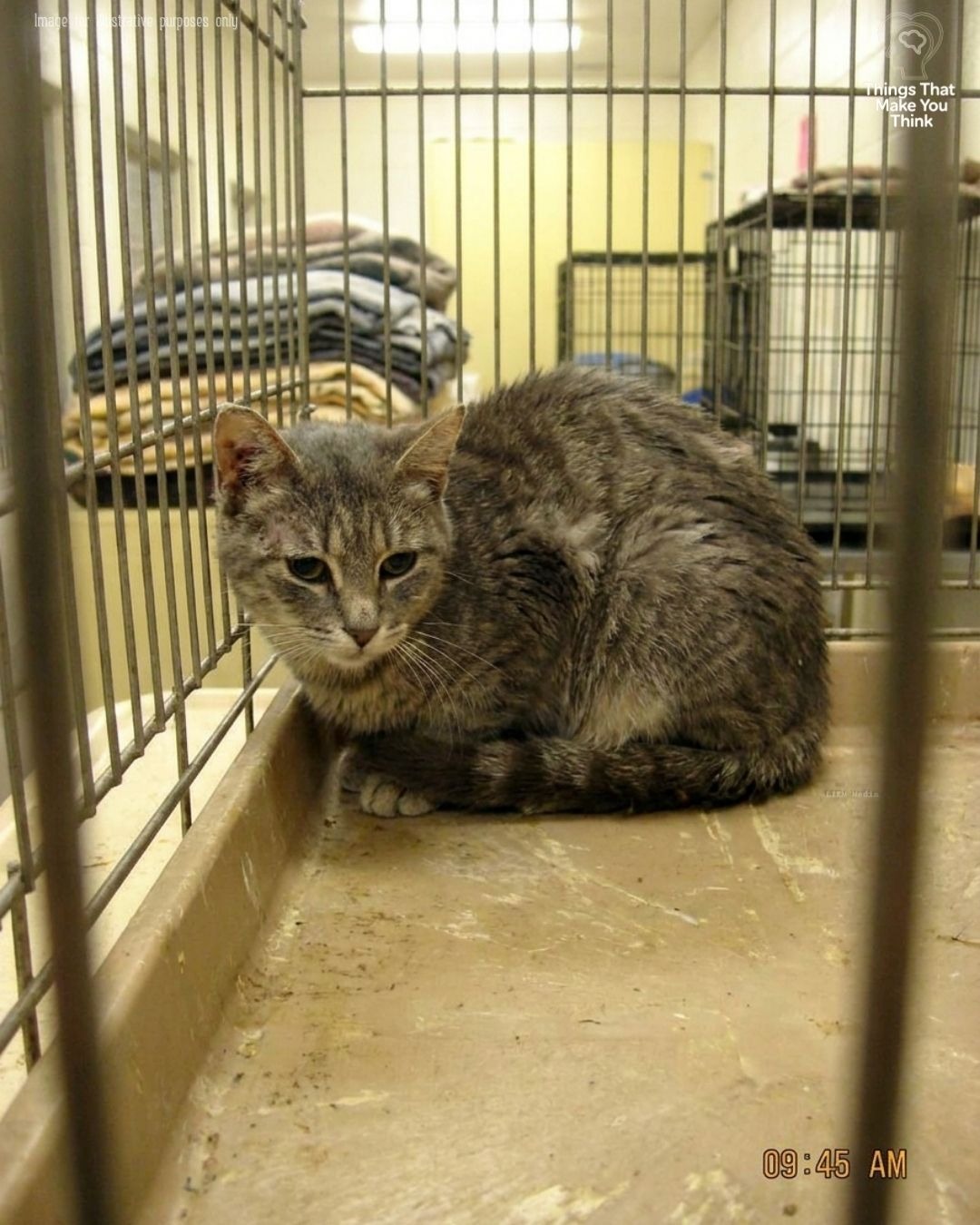
Just one of those quiet American arguments where both people are tired and trying not to sound like they care too much.
Chris said, “I think you’re making people sentimental.”
“I think I’m making them pay attention.”
He opened a vending-machine coffee.
“No. You’re making them think every animal just needs more time.”
“That’s not what I said.”
“It’s what they hear.”
I leaned against the fridge.
“What do you hear?”
He looked tired enough to fold in half.
“I hear that the public loves a redemption story because it lets them ignore the intake line.”
That shut me up for a second.
Because again, he wasn’t wrong.
He kept going.
“They’ll cry over one cat on their phone. Then they’ll keep not spaying, keep backyard breeding, keep moving without pet plans, keep giving animals as gifts, keep treating living things like they’re furniture with feelings.”
He took a sip of coffee and stared at the floor.
“And then they’ll blame shelters for being full.”
I let that sit between us.
Then I said, “So what do you want me to do, not tell the story?”
He shrugged.
“No. Tell it. Just don’t let people leave the story feeling innocent.”
That was the sharpest thing anyone said to me that month.
And I knew immediately he was right.
Because the easiest version of the cat story was this:
Sad cat. Kind widow. Happy ending. Humanity restored.
People love that version.
It asks almost nothing from them.
The harder version is this:
The cat almost died not because nobody cared, but because too many people cared inside a system built on shortage.
The widow could save one life because she had room in her home and room in her grief.
But for every person like her, there are ten people who want an animal only if it arrives cheerful, convenient, young, healthy, and grateful on schedule.
And for every sweet story that goes viral, there are dozens of animals whose pain never becomes shareable enough to save them.
That’s the truth people don’t post on throw pillows.
A month after May went home, the woman came back again.
This time she brought May with her in a carrier for a quick check-in and some donated towels.
I was working the desk when I heard her voice.
May had changed.
Not into a different cat.
Into herself.
That’s the only way I know how to explain it.
She was still quiet.
Still watchful.
But her body wasn’t clenched anymore.
When I opened the carrier, she blinked at me, stepped forward, and pushed her head once against my wrist like we were two people who had both survived the same storm.
The woman said, “She sleeps by my knees now.”
I smiled.
Then she added, “Only on the bad nights.”
We stood there a second in that strange soft silence grief creates when it recognizes itself.
Then she surprised me.
She said, “I read some of the comments.”
I winced.
“Don’t do that.”
She laughed, and it was the first full laugh I had heard from her.
“Too late.”
Then she got serious.
“Some people were angry that a cat like her ever got close to the list.”
“She did get close.”
“I know.”
She rested one hand on the carrier.
“But some of them were angry because they don’t know what it costs to keep saying yes.”
That was exactly it.
The public loves the word rescue.
It sounds noble and clean and brave.
What it often means in real life is fluorescent lighting, bleach in the air, payroll panic, volunteer shortages, too many bowls to wash, too many forms, not enough homes, and people trying to choose who gets one more week without becoming numb enough to break.